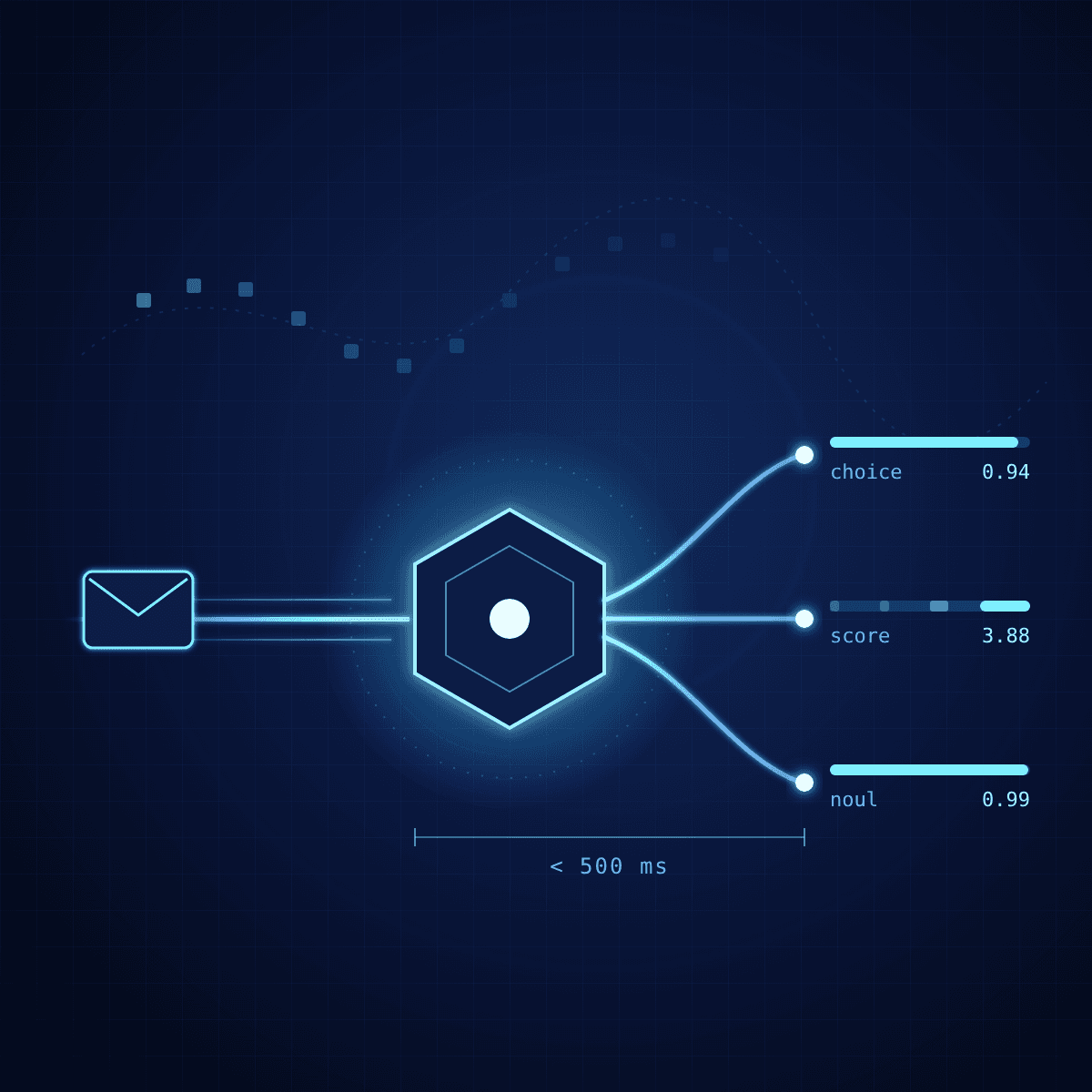
Understanding Jev: The Fast-Thinking "System 1" Model for AI
Jev, from TypeSafe AI, is a new kind of AI model that skips text generation and returns typed decisions with calibrated probabilities in well under a second. Here's how it works, how it compares to an LLM on a customer support triage task, and where it fits next to the LLMs you already use.

Building AI Agents That Actually Help | Grocery Assistant Demo
A practical look at what a grocery assistant reveals about agentic AI: grounded tools, real state, structured outputs, and why useful agents are more than chatbots.

Text-to-SQL: A Privacy Nightmare? How to Architect Secure, Enterprise-Grade Text-to-SQL
Enterprise “Chat with Your Data” only becomes safe when the LLM is treated as an untrusted translator, not a database operator. This piece explains a secure Text-to-SQL architecture built on deterministic guardrails like role-based schema and column pruning, AST-based policy enforcement, compile-time validation, and identity-driven row-level security. This drastically reduces liability risk while often improving accuracy, cost, and reliability.

Choose your AI intelligently: Decode the gap between Small and large language models to power your application with the right intelligence.
Choosing the right AI requires understanding the crucial differences between Small and Large Language Models. Small Language Models (SLMs) offer specialized efficiency, making them perfect for targeted tasks on resource-constrained devices. In contrast, Large Language Models (LLMs) provide vast, versatile intelligence for complex, creative, and wide-ranging applications. Deciding on the right tool optimizes cost of the AI application.

Why “Chat with Your Data” Usually Disappoints — and How to Make It Enterprise-Grade
Most organizations already have the data. What they lack is reliable, fast, and accountable access to it. Ticket queues, stale dashboards, schema sprawl, and ambiguous ask-to-SQL translation conspire to slow decisions and erode trust. This essay distills what we’ve learned from shipping production text-to-SQL across hundreds of tables and thousands of columns, and connects those lessons to what top papers actually found.

Celebrating 10 Years of Innovation, Autonomy, and Impact at Lotus Labs-AI-startup
Take a trip down memory lane with us. Lotus Labs has completed a decade in the tech world!!. Read more about the journey in this blog

MCP ”Connecting AI ”: How AI Learns to See, Hear, and Act in the Real World
In a world increasingly powered by artificial intelligence, a new technological concept is quietly revolutionizing how machines interact with live information. It's called a Model Context Protocol (MCP) server, and while the name might sound like something out of a sci-fi movie, the idea behind it is as intuitive and powerful as playing with LEGO bricks. This article will demystify the MCP server, a critical component in the next generation of AI that allows models to access real-time data and perform actions. Using the humble LEGO brick as our guide, we will explore why this technology is essential and walk through how a specialized "Weather Alerts and Forecast MCP Server" bridges the gap between a powerful AI and the constantly changing, real-world environment.

Natural Language to SQL queries to Business Insights for Dummies with a demo
Unlocking data insights shouldn't require knowing complex SQL. In this beginner-friendly guide, we break down how anyone, even without technical expertise, can turn plain English questions into actionable business insights using LLM. Perfect for analysts, managers, and curious minds looking to bridge the gap between questions and data-driven answers.
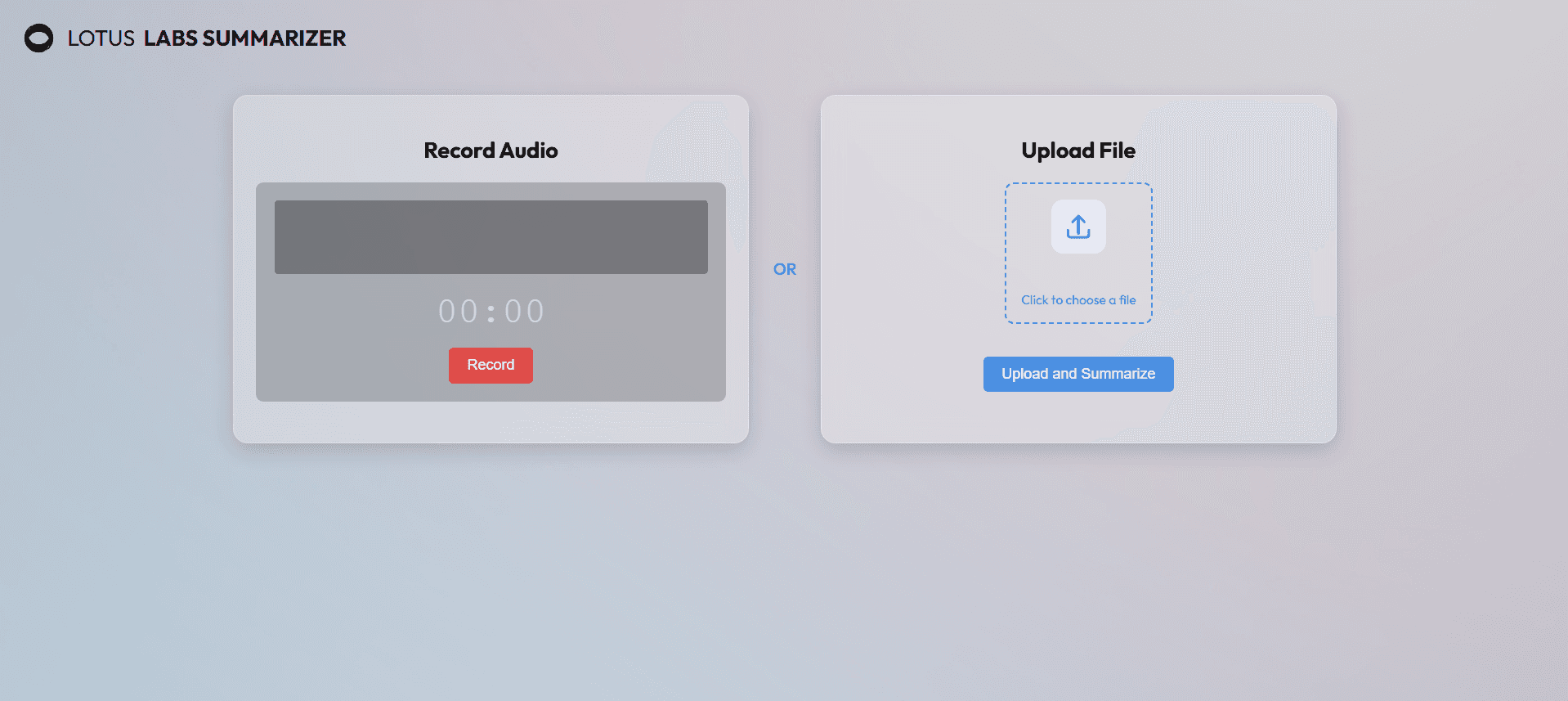
Transforming Clinical Documentation: Building an AI Medical Scribe with Deepgram and LLMs
Welcome to the future of clinical documentation, where real-time audio transcription meets smart summarization to deliver AI-powered medical scribing. In this blog, we walk through how you can build an AI Medical Scribe using fine-tuned models specific to medical data for speech-to-text and LLMs (Large Language Models) like GPT-4.1 for clinical summarization, patient instructions, and more.
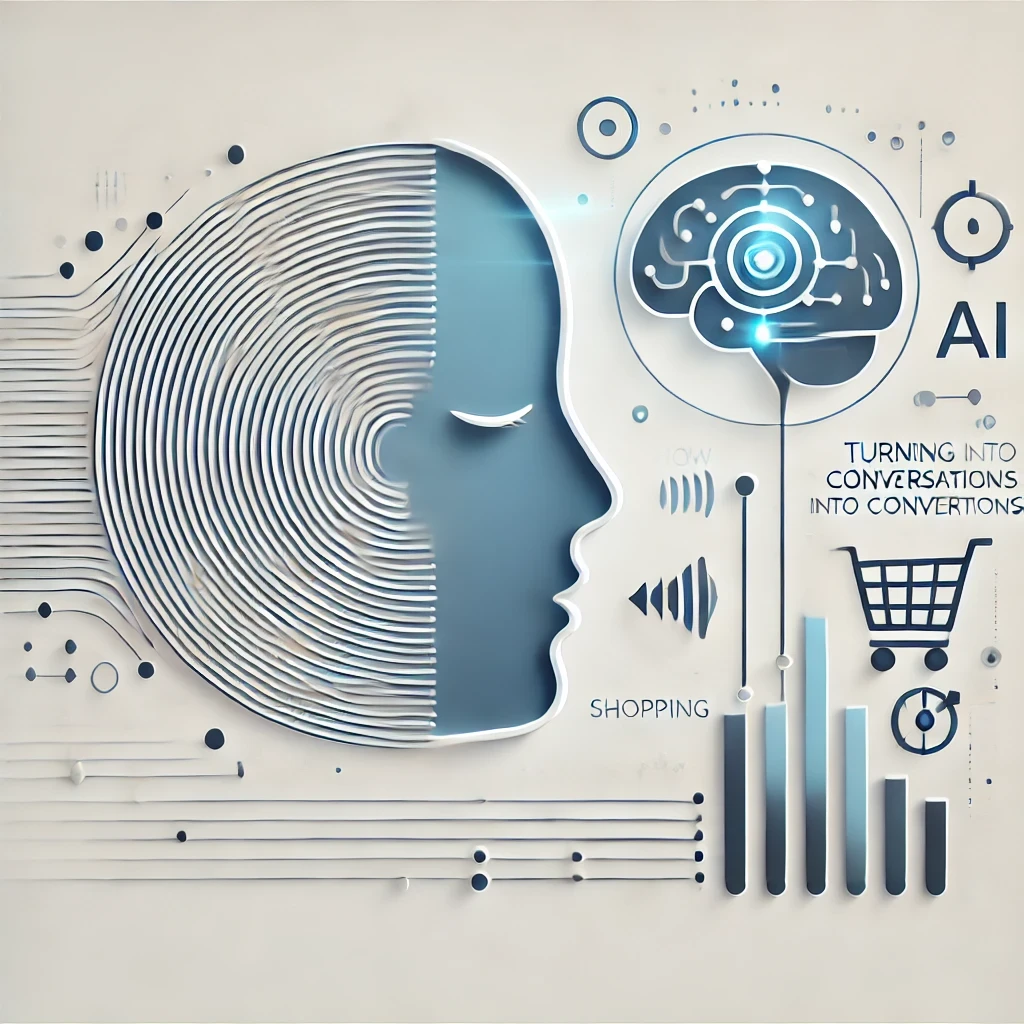
Turning Conversations into Conversions: How AI Can Decode the Voice of Your Customer
Understanding your customers isn’t just a marketing advantage, it’s the foundation of every successful campaign and product management. But truly getting inside their heads? That’s hard. Traditional methods like surveys and analytics certainly help, but some of the most valuable insights often come from a place we overlook: everyday conversations between your sales team and prospective clients.
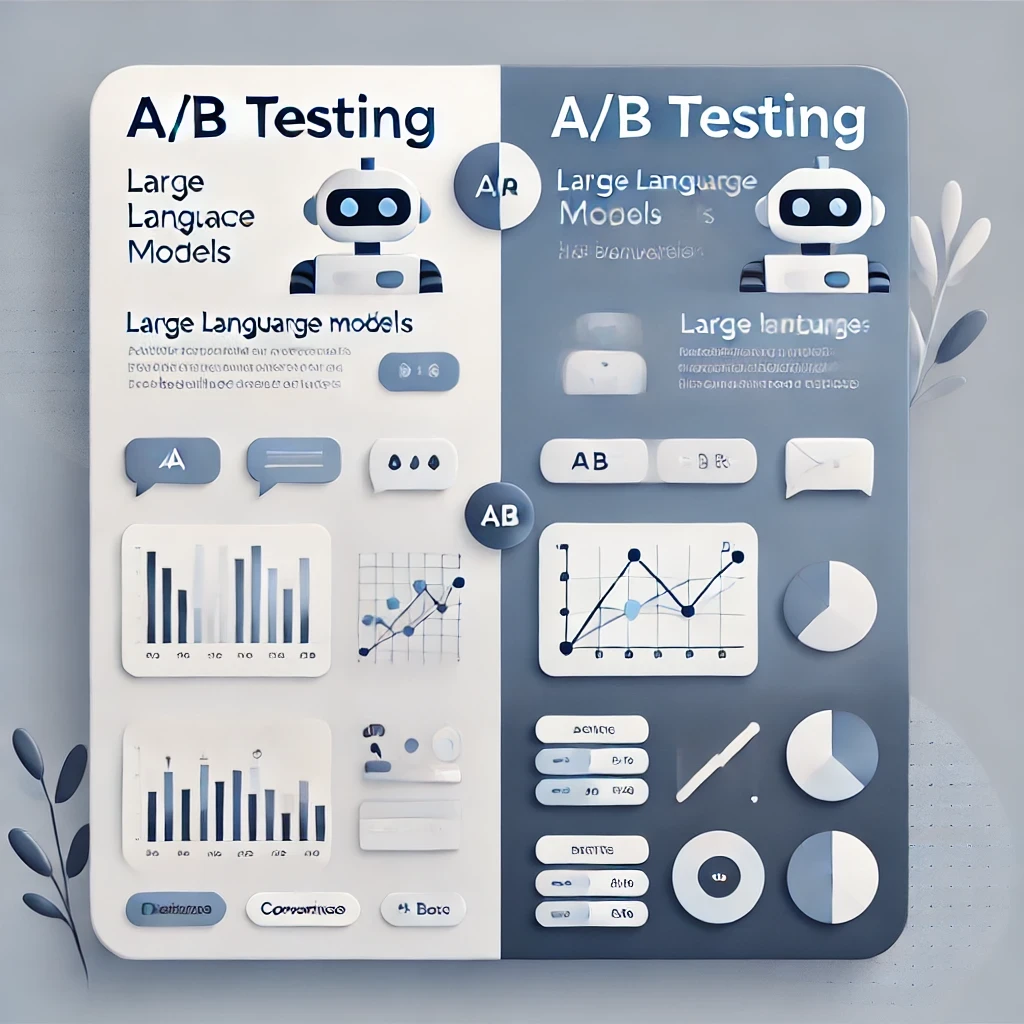
A/B Testing for LLMs: Measuring AI Impact Using Business Metrics
A/B testing is a powerful way to compare two versions of an LLM or feature by exposing them to real users and measuring outcomes like accuracy, cost, and satisfaction. It goes beyond offline evaluation to assess real-world impact. This helps businesses make data-driven decisions and ensure their AI investments deliver true value.

How to create a RAG engine with Local LLM using Ollama
This article explains how to build a fully local RAG system using Ollama, ideal for scenarios where privacy, cost, and latency matter. It covers ingesting documents, generating vector embeddings (e.g., with all-MiniLM), storing them in Chroma, and querying them to provide context to a local LLM like Mistral or LLaMA3. The result is a fast, private, and efficient RAG engine without relying on the cloud.

Decoding the PDF Maze: A Definitive Guide to Extracting Data from Textual and Scanned Documents with a Real-World Project
PDFs are rich in valuable data like invoices, contracts, and forms, but they’re not machine-friendly. Designed for visual consistency, they make text and table extraction challenging. This article highlights the importance of crafting a tailored PDF data extraction strategy based on your specific use case.
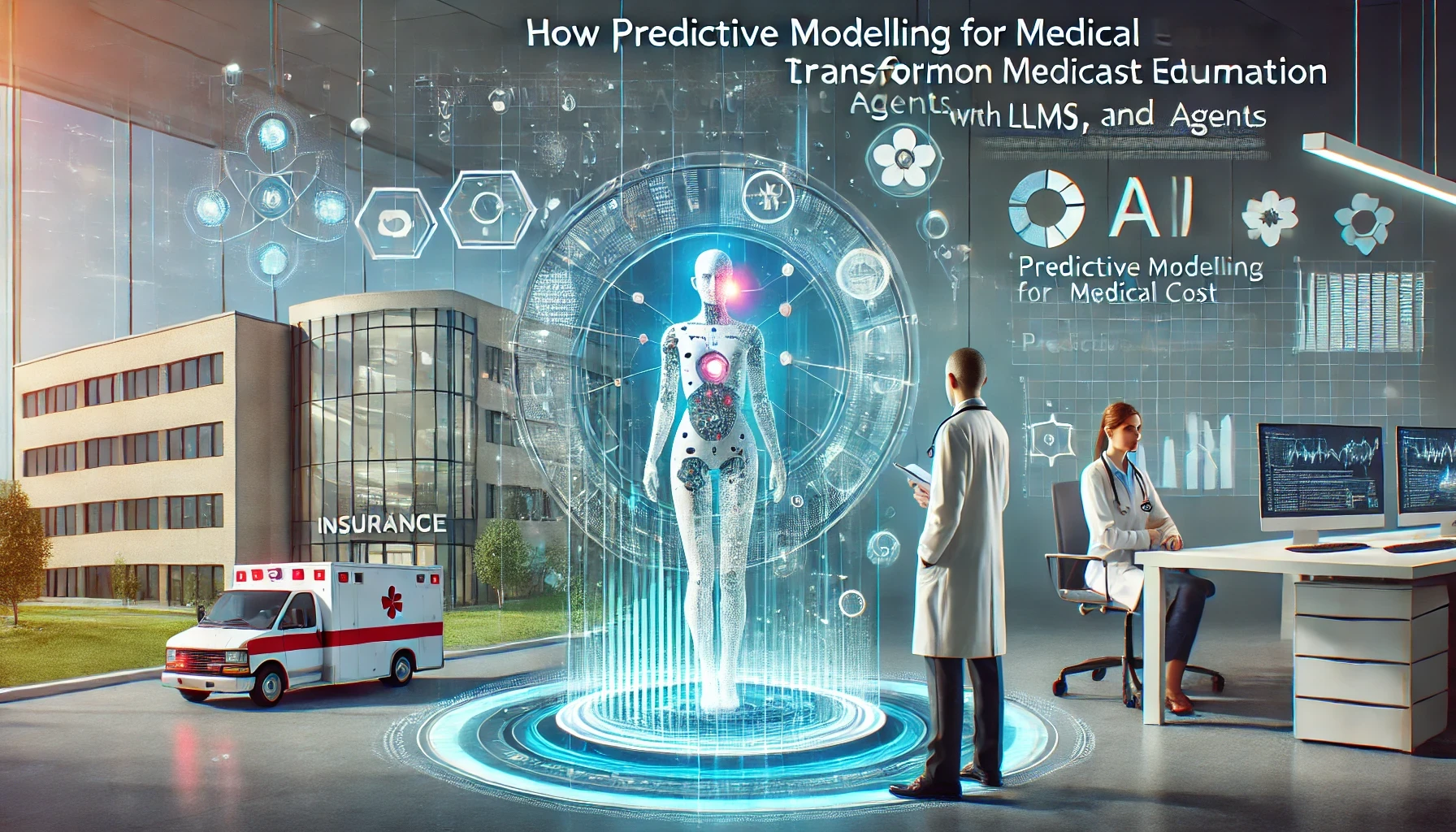
How Predictive Modeling for Medical Cost Estimation Has Transformed with LLMs, AI, and Agents
Predictive modeling in health insurance has long been a crucial tool for estimating medical costs, helping insurers manage risk, set premiums, and detect fraud. Traditional predictive models relied heavily on statistical techniques and machine learning (ML) algorithms trained on historical claims data. However, the emergence of Large Language Models (LLMs), AI, and autonomous AI agents has revolutionized this process, bringing unparalleled improvements in accuracy, automation, and adaptability.

Retrieve augment and generate (RAG): A technique to hack LLMs to your command
Retrieve-Augmented Generation (RAG) is a powerful technique for making Large Language Models (LLMs) more effective, accurate, and context-aware by enhancing their responses with external knowledge sources. It combines retrieval (finding relevant text from documents) with generation (LLM text creation), effectively enabling models to respond with updated, accurate information not contained in their original training data.

A simple guide to understand AI agents
According to a Gartner survey and industry trends, there is no doubt that we are in the era of AI evolution. AI agents are at the forefront of recent developments. Their ability to handle complex tasks enables full-scale automation. They break down tasks like the human mind and address these sub-tasks in a step-by-step, appropriate manner. Industry leaders such as Nvidia, Google, Meta, and Microsoft are betting on their immense potential. Even tech-averse companies are catching up with the trend of using agents to improve their bottom line.

Object Tracking
Object tracking is a subfield of computer vision that focuses on continuously identifying and following objects as they move across frames in a video. Unlike object detection, which identifies and locates objects in individual frames, object tracking maintains the identity of the detected objects across multiple frames, allowing for the analysis of their movement and behavior over time.
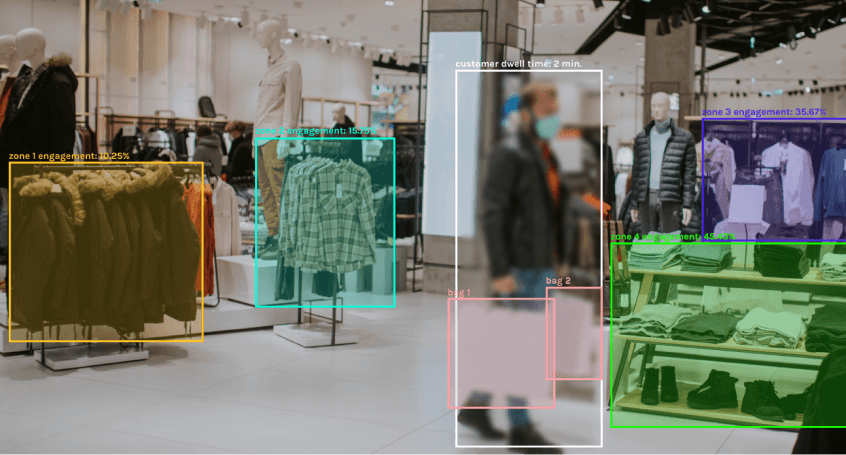
Dwell Time and Behaviour Analysis
Dwell time and behavior analysis help businesses understand how people move through and interact with spaces. By tracking how long individuals stay in specific areas and their movement patterns, companies can optimize layouts, improve customer experiences, and enhance operational efficiency in environments like retail stores and public venues.

Object Detection
Object detection, a subfield of computer vision, focuses on identifying and locating objects in images or videos. It involves classifying objects and determining their positions using bounding boxes. This capability is crucial for applications like autonomous vehicles, surveillance, retail, medical imaging, and sports. Object detection includes multi-class detection, identifying multiple types of objects, and multi-object detection, detecting multiple instances of objects.

Call Quality Checks with OpenAI's GPT API
In today's digital age, customer service is crucial in shaping brand perception and ensuring customer satisfaction. OpenAI's GPT-based API emerges as a powerful tool for automating quality checks in customer call centers, transforming the way businesses ensure the efficiency and effectiveness of their customer interactions.

Disability Insurance Service
Lotus Labs transformed Disability Insurance Services' (DIS) outdated DMS platform by modernizing both the front-end and back-end, drastically improving performance and adding new features. The overhaul included updating React libraries, optimizing database queries to reduce proposal generation time from 161 seconds to 0.7 seconds, and enhancing system stability. Lotus Labs also introduced automated email and SMS campaign management tools, streamlined proposal PDF generation, and implemented secure login features.

Querying and summarizing text using LLMs
Brief overview of how query-focused multi-document summarization (QFMS) works, along with a small demo using Python. The evolution of Natural Language Processing (NLP) and computer hardware has assisted us with efficient summarization and querying, saving us a lot of time and solving the issue of redundant information.

Decoding Visual Relationships: Analyzing Stacked Boxes with OpenCV Edge Detection
In the realm of computer vision, the analysis of stacked objects is a fascinating area that holds immense potential for various applications, from industrial automation to robotics. In this article, we delve into a specific scenario involving stacked boxes, utilizing the power of OpenCV's edge detection to unravel the visual relationships and distances between these boxes.

Data Lake House: Bridging the Gap Between Data Warehouses and Data Lakes
In the expansive landscape of data management, a data lake is a repository where raw, unstructured data resides, often in the form of object blobs or files. The evolution of this concept brings us to the forefront of the big data ecosystem: the data lake house. This innovative approach seamlessly integrates the strengths of traditional data warehouses and the flexibility of data lakes, marking a significant stride in modern data architecture.

Unveiling Sentiment Analysis Magic: A Hands-On Demo with Audio
In the realm of data analytics, unlocking the sentiments embedded within audio data adds a new dimension to our understanding of human expression. Imagine the ability to decipher emotions from spoken words, transforming conversations into actionable insights. Today, we're diving into the fascinating world of sentiment analysis through a live demonstration with audio, showcasing how this transformative process can decode sentiments and provide valuable insights.

Conversational memory in chatbots
Conversational memory in chatbots is crucial for maintaining context and providing accurate responses. It can be managed through various types, including Conversation Buffer Memory, Conversation Summary Memory, and others, each offering different approaches to balancing context and efficiency in conversations.

Optimize your business through data lakes
A data lake is a versatile repository for diverse data types, enabling flexible storage and easy accessibility, while databases are best suited for structured data and optimized for specific operations. In the retail industry, data lakes serve as a central hub for collecting, processing, and analyzing a wide range of data from various sources, driving data-driven excellence, business growth, and enhanced customer satisfaction.

Enhancing Sales Email Campaigns with Reinforcement Learning
Reinforcement learning (RL) is reshaping sales email campaigns by optimizing email selection to boost conversion rates. It operates through trial and error, focusing on maximizing rewards. RL offers benefits like adaptive personalization and dynamic decision-making but faces challenges like data quality and initial exploration. Its use promises enhanced digital marketing outcomes.

Quantum Computing: Shaping the Future of Technology and the Workplace
In our rapidly evolving technological landscape, quantum computing is a notable buzzword that has garnered significant attention. This groundbreaking field of research holds immense potential to revolutionize industries and solve complex problems that were previously unimaginable.

Smart Farming: How AI is Transforming Agricultural Practices
With its ability to analyze vast amounts of data, optimize decision-making processes, and automate complex tasks, AI has found its place in fields, farms, and greenhouses. This article will discuss some fascinating examples of agriculture companies harnessing this technology.

The Promise of AI in the Energy Industry
From minimizing companies’ environmental footprint to optimizing power grids, AI has begun to revolutionize many aspects of the energy sector. This article will highlight several specific AI solutions that prominent energy companies are using and why these solutions can boost climate preservation.

Spotlighting AI in the Retail Industry
In this article, we will highlight three specific AI applications used by top retailers to transform the customer experience.

Enhancing Consulting with AI Tools
In this article, we explore several potentially transformative AI tools that can help consulting companies keep up with increasingly complex industries.

AI-Powered Updates Coming Soon to Your Favorite Apps
Learn about AI updates coming soon to your favorite professional apps by the end of 2023!

3 AI Tools useful for any professional
In this article, we highlight why every professional should utilize or at least be aware of three AI tools: Bing Chat, Canva Pro, and Otter.ai.

ChatGPT: Your Next Doctor?
In this article, we explored whether AI could replace a visit to the doctor's office and the results were extremely surprising!

Series Preview-ChatGPT Your Next _?
Lotus Labs is proud to launch a new article series: ChatGPT Your Next _? In this series, our team of researchers will determine whether AI can truly replace the job services of humans and the implications if it can. Read the series preview and stay tuned for next week.

Humans, pack your bags!! ChatGPT is taking over your jobs!
What is ChatGPT, and is it here to replace our jobs? Read our take on it.
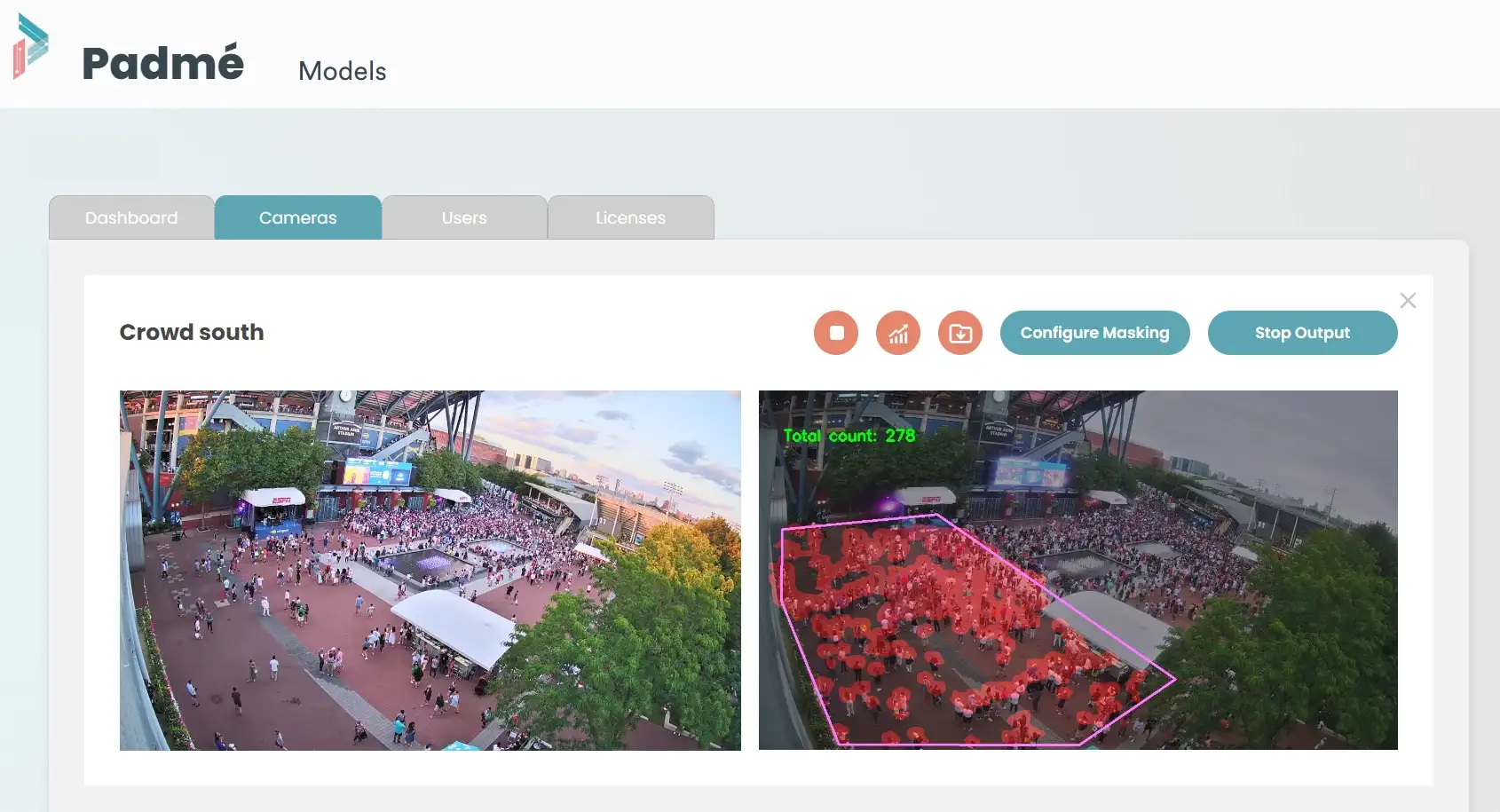
Padmé Edge AI Platform
We just launched Padmé 2.0! Padmé had a remarkable journey in 2022, from revisiting the US Open and Wimbledon to foraying into new venues like The Shed, TD Garden, and Universal studios.
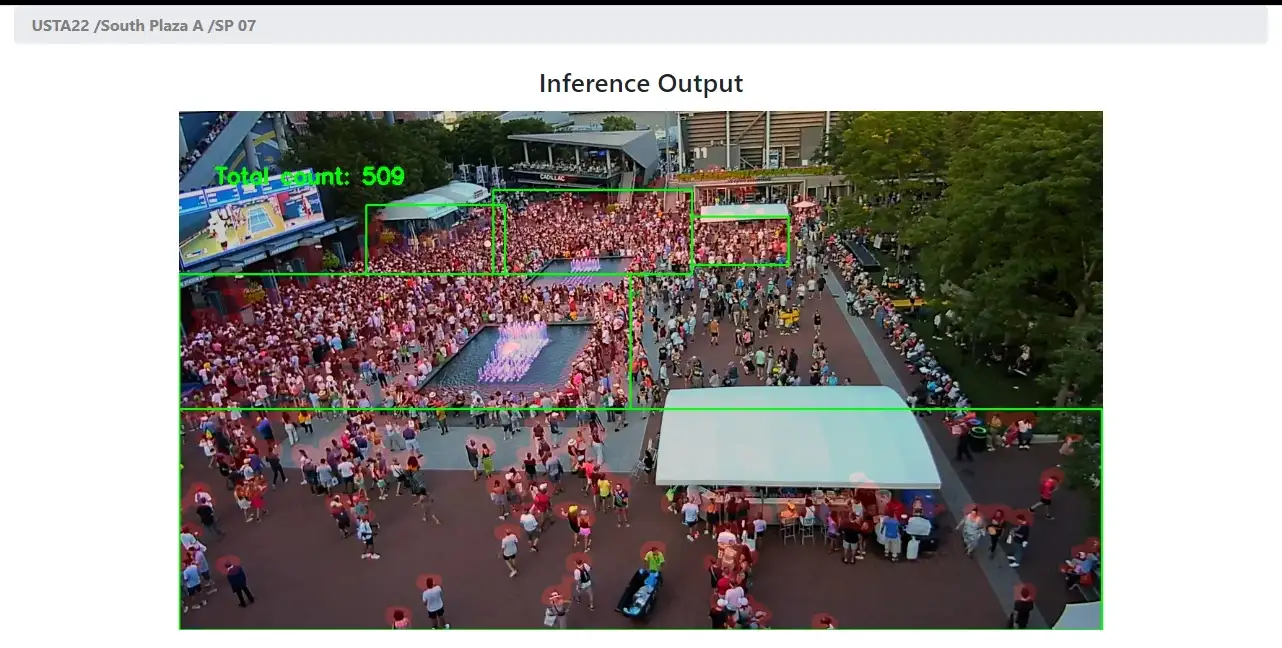
Padmé revisits US Open
We are thrilled to announce that Padmé, the flagship product from Lotus Labs, has revisited US Open Tennis 2022 after our launch in 2021. Since then, we have successfully deployed our platform at Wimbledon, The Shed and running pilots at TD Garden and Universal studios.

Crowd Surging, Crowd estimation with computer vision
Design a computer vision solution that can assess the crowd density and behavior in a venue and inform the operators of the typical points of crowd convergence and the current crowd situation.
Logo Recognition using MobileNet and Yolo
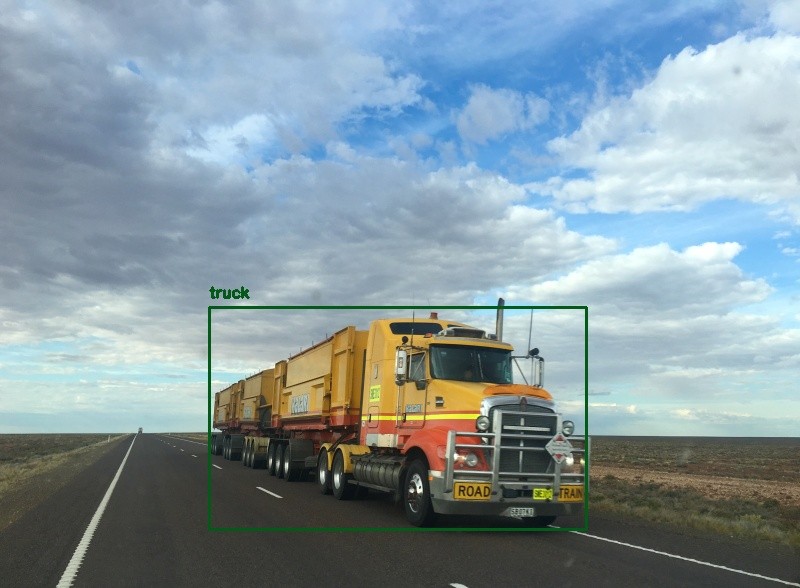
Truck logo recognition looks like an easy classification, just like classifying a car or a truck in the vehicle data…

Lotus Labs on Clutch’s Top AI Companies in Arizona
We are thrilled to be recognized as the top AI company in Arizona by Clutch, the leading data-driven business evaluation platform.

Optimizing models and controllers for distributed energy resources
In Demand Response programs, utilities use rate increases, bill credits or other incentives to control demand on the electric grid…

Insurance claims prediction with Deep Learning
Insurance companies are extremely interested in the prediction of the future. Accurate prediction gives a chance to reduce financial…

Introduction to Convolutional Neural Networks and its Applications
Convolutional Neural Networks are deep neural networks that are primarily used for computer vision.

Sales Forecasting with deep learning entity embeddings
Accurate retail sales demand forecasting is critical for optimal resource allocation, budget planning and other related retail tasks during…

Neural Networks: The Machine Brain
Our brain is made up of billions of nerve cells, called neurons. Arranged in a network, neurons communicate with each other in a sequence-like manner: Once one neuron receives information, it passes it to another neuron, which passes it to another and so on.

7 Ways to Improve Machine Model Results
Imagine you have prepared for an exam or competition, but in spite of your efforts you do not get the results you want. If you choose to try again, you will likely revise your preparation tactics based on your first experience.

Schooling a Machine
In our day to day life we face many tasks whether they are expected or unforeseen. Unsurprisingly, when we face unforeseen challenges we are more prone to struggles and failure, but when it comes to tasks we were ready for, usually we are well more equipped to complete them with flying colors.
Choosing A Right ML algorithm
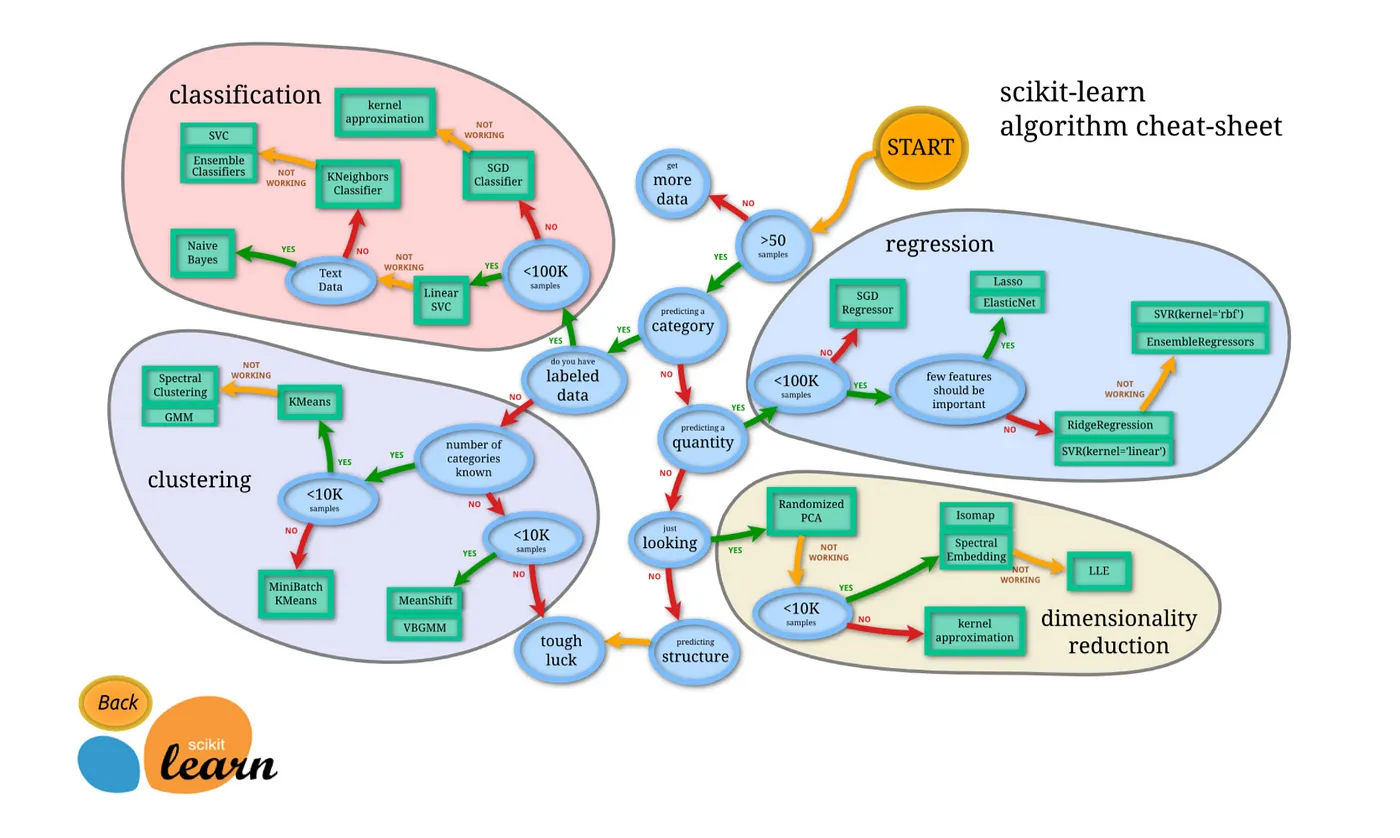
Picture yourself back in school, bracing for exams in a couple of weeks. How will you prepare for your exams? Some strategies you may utilize include reading text books or class notes, scavenging Google for resources, or watching videos.

How do machines learn and work
In a world that runs on machines, algorithms are all around you. Whether you are reading this article, watching some video, or browsing the web, it is because an algorithm brought it to you.
Clarifying AI, Machine Learning, Deep Learning, Data Science with Venn Diagrams
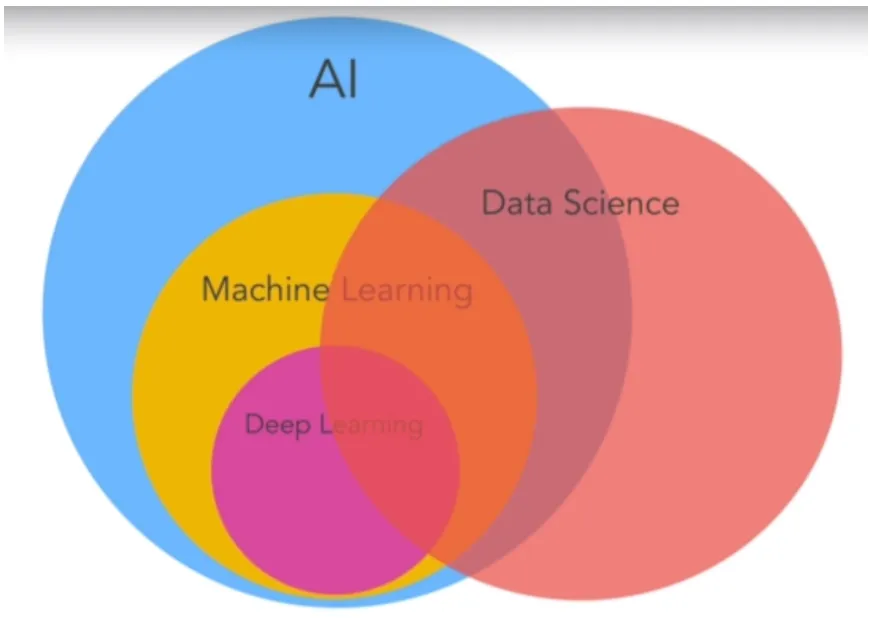
Artificial intelligence is the collection of tasks that machines can execute. Machines learn these tasks with the help of machine learning and deep learning for specific cases. Together, these three processes are utilized in data science so that data can be converted into insights.

Successful Remote Work: A Joint Effort From Employer and Employee
Whether you are an employee or an employer, switching to a remote setting requires a fresh perspective and commitment to change. Not only is it unreasonable to have office expectations for remote work, but it is counterproductive.

The Future of Work is Remote
The Covid-19 pandemic has pushed remote work to mainstream.

Rethinking Coronavirus: The Artificial Intelligence Solution
How AI Can Preemptively Prevent Coronavirus Outbreaks What was once a meme in February has become a global pandemic just…

How Artificial Intelligence can change medicine forever if implemented strategically
Artificial Intelligence in Medicine From the development of MRI and X-ray machines...
Understanding Jev: The Fast-Thinking "System 1" Model for AI
Jev, from TypeSafe AI, is a new kind of AI model that skips text generation and returns typed decisions with calibrated probabilities in well under a second. Here's how it works, how it compares to an LLM on a customer support triage task, and where it fits next to the LLMs you already use.
Building AI Agents That Actually Help | Grocery Assistant Demo
A practical look at what a grocery assistant reveals about agentic AI: grounded tools, real state, structured outputs, and why useful agents are more than chatbots.
Text-to-SQL: A Privacy Nightmare? How to Architect Secure, Enterprise-Grade Text-to-SQL
Enterprise “Chat with Your Data” only becomes safe when the LLM is treated as an untrusted translator, not a database operator. This piece explains a secure Text-to-SQL architecture built on deterministic guardrails like role-based schema and column pruning, AST-based policy enforcement, compile-time validation, and identity-driven row-level security. This drastically reduces liability risk while often improving accuracy, cost, and reliability.
Choose your AI intelligently: Decode the gap between Small and large language models to power your application with the right intelligence.
Choosing the right AI requires understanding the crucial differences between Small and Large Language Models. Small Language Models (SLMs) offer specialized efficiency, making them perfect for targeted tasks on resource-constrained devices. In contrast, Large Language Models (LLMs) provide vast, versatile intelligence for complex, creative, and wide-ranging applications. Deciding on the right tool optimizes cost of the AI application.
Why “Chat with Your Data” Usually Disappoints — and How to Make It Enterprise-Grade
Most organizations already have the data. What they lack is reliable, fast, and accountable access to it. Ticket queues, stale dashboards, schema sprawl, and ambiguous ask-to-SQL translation conspire to slow decisions and erode trust. This essay distills what we’ve learned from shipping production text-to-SQL across hundreds of tables and thousands of columns, and connects those lessons to what top papers actually found.
Celebrating 10 Years of Innovation, Autonomy, and Impact at Lotus Labs-AI-startup
Take a trip down memory lane with us. Lotus Labs has completed a decade in the tech world!!. Read more about the journey in this blog
MCP ”Connecting AI ”: How AI Learns to See, Hear, and Act in the Real World
In a world increasingly powered by artificial intelligence, a new technological concept is quietly revolutionizing how machines interact with live information. It's called a Model Context Protocol (MCP) server, and while the name might sound like something out of a sci-fi movie, the idea behind it is as intuitive and powerful as playing with LEGO bricks. This article will demystify the MCP server, a critical component in the next generation of AI that allows models to access real-time data and perform actions. Using the humble LEGO brick as our guide, we will explore why this technology is essential and walk through how a specialized "Weather Alerts and Forecast MCP Server" bridges the gap between a powerful AI and the constantly changing, real-world environment.
Natural Language to SQL queries to Business Insights for Dummies with a demo
Unlocking data insights shouldn't require knowing complex SQL. In this beginner-friendly guide, we break down how anyone, even without technical expertise, can turn plain English questions into actionable business insights using LLM. Perfect for analysts, managers, and curious minds looking to bridge the gap between questions and data-driven answers.
Transforming Clinical Documentation: Building an AI Medical Scribe with Deepgram and LLMs
Welcome to the future of clinical documentation, where real-time audio transcription meets smart summarization to deliver AI-powered medical scribing. In this blog, we walk through how you can build an AI Medical Scribe using fine-tuned models specific to medical data for speech-to-text and LLMs (Large Language Models) like GPT-4.1 for clinical summarization, patient instructions, and more.
Turning Conversations into Conversions: How AI Can Decode the Voice of Your Customer
Understanding your customers isn’t just a marketing advantage, it’s the foundation of every successful campaign and product management. But truly getting inside their heads? That’s hard. Traditional methods like surveys and analytics certainly help, but some of the most valuable insights often come from a place we overlook: everyday conversations between your sales team and prospective clients.
A/B Testing for LLMs: Measuring AI Impact Using Business Metrics
A/B testing is a powerful way to compare two versions of an LLM or feature by exposing them to real users and measuring outcomes like accuracy, cost, and satisfaction. It goes beyond offline evaluation to assess real-world impact. This helps businesses make data-driven decisions and ensure their AI investments deliver true value.
How to create a RAG engine with Local LLM using Ollama
This article explains how to build a fully local RAG system using Ollama, ideal for scenarios where privacy, cost, and latency matter. It covers ingesting documents, generating vector embeddings (e.g., with all-MiniLM), storing them in Chroma, and querying them to provide context to a local LLM like Mistral or LLaMA3. The result is a fast, private, and efficient RAG engine without relying on the cloud.
Decoding the PDF Maze: A Definitive Guide to Extracting Data from Textual and Scanned Documents with a Real-World Project
PDFs are rich in valuable data like invoices, contracts, and forms, but they’re not machine-friendly. Designed for visual consistency, they make text and table extraction challenging. This article highlights the importance of crafting a tailored PDF data extraction strategy based on your specific use case.
How Predictive Modeling for Medical Cost Estimation Has Transformed with LLMs, AI, and Agents
Predictive modeling in health insurance has long been a crucial tool for estimating medical costs, helping insurers manage risk, set premiums, and detect fraud. Traditional predictive models relied heavily on statistical techniques and machine learning (ML) algorithms trained on historical claims data. However, the emergence of Large Language Models (LLMs), AI, and autonomous AI agents has revolutionized this process, bringing unparalleled improvements in accuracy, automation, and adaptability.
Retrieve augment and generate (RAG): A technique to hack LLMs to your command
Retrieve-Augmented Generation (RAG) is a powerful technique for making Large Language Models (LLMs) more effective, accurate, and context-aware by enhancing their responses with external knowledge sources. It combines retrieval (finding relevant text from documents) with generation (LLM text creation), effectively enabling models to respond with updated, accurate information not contained in their original training data.
A simple guide to understand AI agents
According to a Gartner survey and industry trends, there is no doubt that we are in the era of AI evolution. AI agents are at the forefront of recent developments. Their ability to handle complex tasks enables full-scale automation. They break down tasks like the human mind and address these sub-tasks in a step-by-step, appropriate manner. Industry leaders such as Nvidia, Google, Meta, and Microsoft are betting on their immense potential. Even tech-averse companies are catching up with the trend of using agents to improve their bottom line.
Object Tracking
Object tracking is a subfield of computer vision that focuses on continuously identifying and following objects as they move across frames in a video. Unlike object detection, which identifies and locates objects in individual frames, object tracking maintains the identity of the detected objects across multiple frames, allowing for the analysis of their movement and behavior over time.
Dwell Time and Behaviour Analysis
Dwell time and behavior analysis help businesses understand how people move through and interact with spaces. By tracking how long individuals stay in specific areas and their movement patterns, companies can optimize layouts, improve customer experiences, and enhance operational efficiency in environments like retail stores and public venues.
Object Detection
Object detection, a subfield of computer vision, focuses on identifying and locating objects in images or videos. It involves classifying objects and determining their positions using bounding boxes. This capability is crucial for applications like autonomous vehicles, surveillance, retail, medical imaging, and sports. Object detection includes multi-class detection, identifying multiple types of objects, and multi-object detection, detecting multiple instances of objects.
Call Quality Checks with OpenAI's GPT API
In today's digital age, customer service is crucial in shaping brand perception and ensuring customer satisfaction. OpenAI's GPT-based API emerges as a powerful tool for automating quality checks in customer call centers, transforming the way businesses ensure the efficiency and effectiveness of their customer interactions.
Disability Insurance Service
Lotus Labs transformed Disability Insurance Services' (DIS) outdated DMS platform by modernizing both the front-end and back-end, drastically improving performance and adding new features. The overhaul included updating React libraries, optimizing database queries to reduce proposal generation time from 161 seconds to 0.7 seconds, and enhancing system stability. Lotus Labs also introduced automated email and SMS campaign management tools, streamlined proposal PDF generation, and implemented secure login features.
Querying and summarizing text using LLMs
Brief overview of how query-focused multi-document summarization (QFMS) works, along with a small demo using Python. The evolution of Natural Language Processing (NLP) and computer hardware has assisted us with efficient summarization and querying, saving us a lot of time and solving the issue of redundant information.
Decoding Visual Relationships: Analyzing Stacked Boxes with OpenCV Edge Detection
In the realm of computer vision, the analysis of stacked objects is a fascinating area that holds immense potential for various applications, from industrial automation to robotics. In this article, we delve into a specific scenario involving stacked boxes, utilizing the power of OpenCV's edge detection to unravel the visual relationships and distances between these boxes.
Data Lake House: Bridging the Gap Between Data Warehouses and Data Lakes
In the expansive landscape of data management, a data lake is a repository where raw, unstructured data resides, often in the form of object blobs or files. The evolution of this concept brings us to the forefront of the big data ecosystem: the data lake house. This innovative approach seamlessly integrates the strengths of traditional data warehouses and the flexibility of data lakes, marking a significant stride in modern data architecture.
Unveiling Sentiment Analysis Magic: A Hands-On Demo with Audio
In the realm of data analytics, unlocking the sentiments embedded within audio data adds a new dimension to our understanding of human expression. Imagine the ability to decipher emotions from spoken words, transforming conversations into actionable insights. Today, we're diving into the fascinating world of sentiment analysis through a live demonstration with audio, showcasing how this transformative process can decode sentiments and provide valuable insights.
Conversational memory in chatbots
Conversational memory in chatbots is crucial for maintaining context and providing accurate responses. It can be managed through various types, including Conversation Buffer Memory, Conversation Summary Memory, and others, each offering different approaches to balancing context and efficiency in conversations.
Optimize your business through data lakes
A data lake is a versatile repository for diverse data types, enabling flexible storage and easy accessibility, while databases are best suited for structured data and optimized for specific operations. In the retail industry, data lakes serve as a central hub for collecting, processing, and analyzing a wide range of data from various sources, driving data-driven excellence, business growth, and enhanced customer satisfaction.
Enhancing Sales Email Campaigns with Reinforcement Learning
Reinforcement learning (RL) is reshaping sales email campaigns by optimizing email selection to boost conversion rates. It operates through trial and error, focusing on maximizing rewards. RL offers benefits like adaptive personalization and dynamic decision-making but faces challenges like data quality and initial exploration. Its use promises enhanced digital marketing outcomes.
Quantum Computing: Shaping the Future of Technology and the Workplace
In our rapidly evolving technological landscape, quantum computing is a notable buzzword that has garnered significant attention. This groundbreaking field of research holds immense potential to revolutionize industries and solve complex problems that were previously unimaginable.
Smart Farming: How AI is Transforming Agricultural Practices
With its ability to analyze vast amounts of data, optimize decision-making processes, and automate complex tasks, AI has found its place in fields, farms, and greenhouses. This article will discuss some fascinating examples of agriculture companies harnessing this technology.
The Promise of AI in the Energy Industry
From minimizing companies’ environmental footprint to optimizing power grids, AI has begun to revolutionize many aspects of the energy sector. This article will highlight several specific AI solutions that prominent energy companies are using and why these solutions can boost climate preservation.
Spotlighting AI in the Retail Industry
In this article, we will highlight three specific AI applications used by top retailers to transform the customer experience.
Enhancing Consulting with AI Tools
In this article, we explore several potentially transformative AI tools that can help consulting companies keep up with increasingly complex industries.
AI-Powered Updates Coming Soon to Your Favorite Apps
Learn about AI updates coming soon to your favorite professional apps by the end of 2023!
3 AI Tools useful for any professional
In this article, we highlight why every professional should utilize or at least be aware of three AI tools: Bing Chat, Canva Pro, and Otter.ai.
ChatGPT: Your Next Doctor?
In this article, we explored whether AI could replace a visit to the doctor's office and the results were extremely surprising!
Series Preview-ChatGPT Your Next _?
Lotus Labs is proud to launch a new article series: ChatGPT Your Next _? In this series, our team of researchers will determine whether AI can truly replace the job services of humans and the implications if it can. Read the series preview and stay tuned for next week.
Humans, pack your bags!! ChatGPT is taking over your jobs!
What is ChatGPT, and is it here to replace our jobs? Read our take on it.
Padmé Edge AI Platform
We just launched Padmé 2.0! Padmé had a remarkable journey in 2022, from revisiting the US Open and Wimbledon to foraying into new venues like The Shed, TD Garden, and Universal studios.
Padmé revisits US Open
We are thrilled to announce that Padmé, the flagship product from Lotus Labs, has revisited US Open Tennis 2022 after our launch in 2021. Since then, we have successfully deployed our platform at Wimbledon, The Shed and running pilots at TD Garden and Universal studios.
Crowd Surging, Crowd estimation with computer vision
Design a computer vision solution that can assess the crowd density and behavior in a venue and inform the operators of the typical points of crowd convergence and the current crowd situation.
Logo Recognition using MobileNet and Yolo
Truck logo recognition looks like an easy classification, just like classifying a car or a truck in the vehicle data…
Lotus Labs on Clutch’s Top AI Companies in Arizona
We are thrilled to be recognized as the top AI company in Arizona by Clutch, the leading data-driven business evaluation platform.
Optimizing models and controllers for distributed energy resources
In Demand Response programs, utilities use rate increases, bill credits or other incentives to control demand on the electric grid…
Insurance claims prediction with Deep Learning
Insurance companies are extremely interested in the prediction of the future. Accurate prediction gives a chance to reduce financial…
Introduction to Convolutional Neural Networks and its Applications
Convolutional Neural Networks are deep neural networks that are primarily used for computer vision.
Sales Forecasting with deep learning entity embeddings
Accurate retail sales demand forecasting is critical for optimal resource allocation, budget planning and other related retail tasks during…
Neural Networks: The Machine Brain
Our brain is made up of billions of nerve cells, called neurons. Arranged in a network, neurons communicate with each other in a sequence-like manner: Once one neuron receives information, it passes it to another neuron, which passes it to another and so on.
7 Ways to Improve Machine Model Results
Imagine you have prepared for an exam or competition, but in spite of your efforts you do not get the results you want. If you choose to try again, you will likely revise your preparation tactics based on your first experience.
Schooling a Machine
In our day to day life we face many tasks whether they are expected or unforeseen. Unsurprisingly, when we face unforeseen challenges we are more prone to struggles and failure, but when it comes to tasks we were ready for, usually we are well more equipped to complete them with flying colors.
Choosing A Right ML algorithm
Picture yourself back in school, bracing for exams in a couple of weeks. How will you prepare for your exams? Some strategies you may utilize include reading text books or class notes, scavenging Google for resources, or watching videos.
How do machines learn and work
In a world that runs on machines, algorithms are all around you. Whether you are reading this article, watching some video, or browsing the web, it is because an algorithm brought it to you.
Clarifying AI, Machine Learning, Deep Learning, Data Science with Venn Diagrams
Artificial intelligence is the collection of tasks that machines can execute. Machines learn these tasks with the help of machine learning and deep learning for specific cases. Together, these three processes are utilized in data science so that data can be converted into insights.
Successful Remote Work: A Joint Effort From Employer and Employee
Whether you are an employee or an employer, switching to a remote setting requires a fresh perspective and commitment to change. Not only is it unreasonable to have office expectations for remote work, but it is counterproductive.
The Future of Work is Remote
The Covid-19 pandemic has pushed remote work to mainstream.
Rethinking Coronavirus: The Artificial Intelligence Solution
How AI Can Preemptively Prevent Coronavirus Outbreaks What was once a meme in February has become a global pandemic just…
How Artificial Intelligence can change medicine forever if implemented strategically
Artificial Intelligence in Medicine From the development of MRI and X-ray machines...
lotus labs
© 2026 LOTUSLABS All rights reserved.
Use of our products and services are governed by our Terms of Use and Privacy Policy.
lotus labs
© 2026 LOTUSLABS All rights reserved.
Use of our products and services are governed by our Terms of Use and Privacy Policy.
lotus labs
© 2026 LOTUSLABS
All rights reserved.
Use of our products and services are governed by our Terms of Use and Privacy Policy.